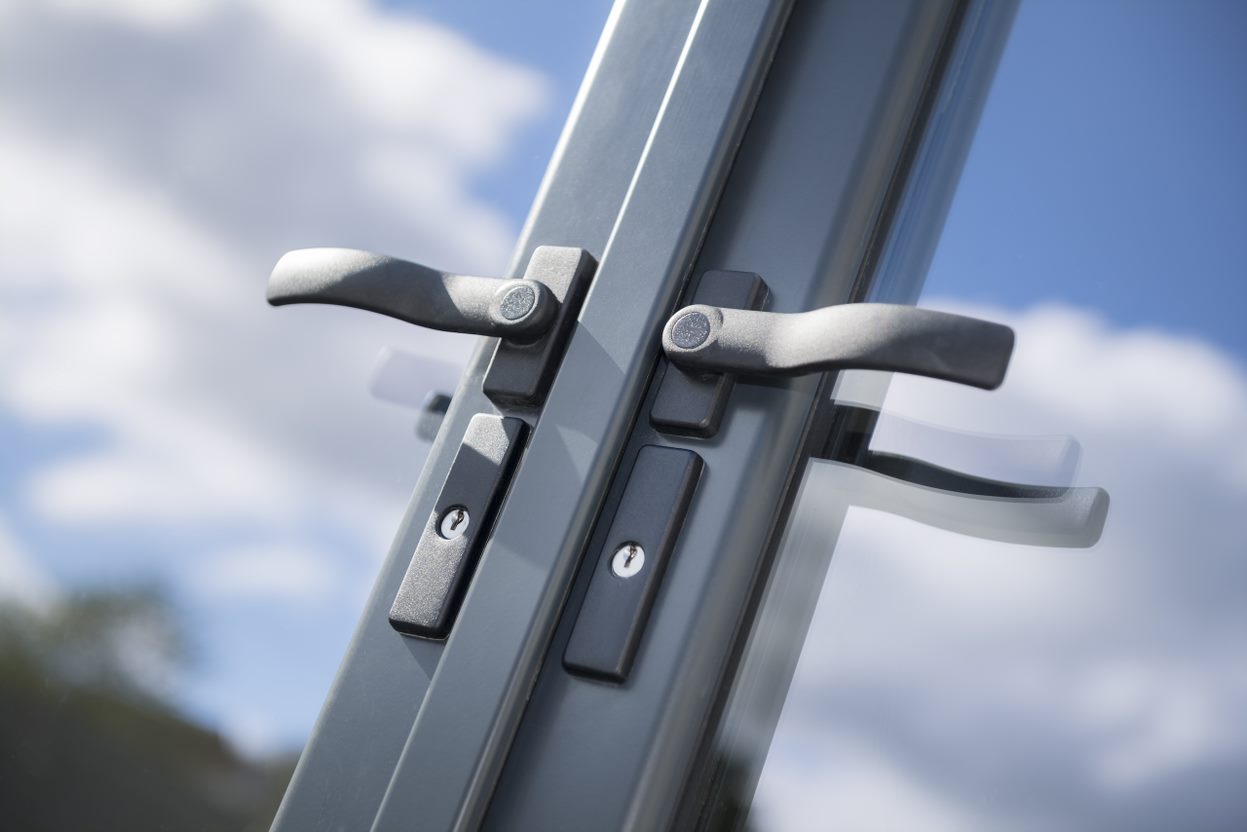
Understanding Door Locks Repair: A Comprehensive Guide
Door locks are vital components of any protected environment, whether in residential, commercial, or vehicle contexts. Gradually, these systems may use down, malfunction, or perhaps break, demanding repairs. Comprehending how to handle door lock repairs can conserve people time, cash, and the inconvenience of compromised security. Repair My Windows And Doors looks into common door locks issues, actions for fixing various kinds of locks, and when it may be necessary to call a professional.
Common Door Lock Issues
Before diving into repair strategies, it's crucial to determine common issues that might arise with door locks:
- Sticking or Jammed Locks: A lock that is hard to turn or sticks can be a sign of internal issues or dirt accumulation.
- Key Won't Turn: This can take place due to misalignment, a broken key, or internal clogs within the lock.
- Loose or Wobbly Lock: Hardware or screws may end up being loose over time, affecting the lock's stability.
- Broken or Bending Keys: Keys can flex, break, or use down, making locking systems inefficient.
- Lock not Latching: If a lock doesn't engage when the door is closed, this indicates positioning issues or part failure.
- Electronic Lock Failure: For keyless entry systems, electronic failures can render the lock useless.
Recognizing these indications can assist in determining the proper repair actions.
Vital Tools for Lock Repair
Before starting the repair, homeowners and occupants need to collect needed tools, including:
- Screwdrivers (Phillips and flathead)
- Pliers
- A hammer
- Lubricant (graphite or silicone-based)
- Replacement screws or keys
- A new lockset (if necessary)
- Cleaning fabric or brush
Having these tools prepared enables a smoother repair procedure.
Repairing Sticking and Jammed Locks
Step-by-Step Approach
- Examine the Lock: Start by visually checking the lock for any visible damage or misalignment.
- Clean the Lock: Remove any dirt or debris using a cleansing fabric or a soft-bristled brush. Build-up can hinder the lock's functionality.
- Oil: Apply a percentage of lube into the keyhole and on the moving parts. Avoid using too much product, as it can bring in dust.
- Test the Key: Insert the key and turn it carefully. If it still sticks, more assessment might be required.
When to Replace
If cleaning and lubricating do not resolve the issue, the lock may be used out and require replacement.
Attending To Issues with Keys
Fixing Broken Keys
If a key is broken within the lock, take the following steps:
- Extract the Key: Use pliers to carefully take out the broken piece. If it's deep inside, a lock extraction set may be needed.
- Create a Copy: If you still have the undamaged part of the key, take it to a locksmith professional or a hardware shop for duplication.
Handling Bending Keys
- Correct the Key: If the key is somewhat bent, gently try to correct it utilizing pliers.
- Replace the Key: If the secret is used, consider having a brand-new one made.
Fixing Loose or Wobbly Locks
Step-by-Step Approach
- Tighten Screws: Use a screwdriver to tighten any visible screws on the lock. This effort can typically stabilize the lock.
- Check the Strike Plate: Ensure that the strike plate is properly aligned. If misaligned, it might need repositioning.
- Reinforce with Specialist Tools: If screws continue to loosen, consider utilizing lock washers or wood glue to reinforce the hold.
Lock Not Latching
This concern typically stems from misalignment instead of lock failure. To address this:
- Inspect Door Alignment: Check if the door settles properly within the frame.
- Adjust Hinges: Sometimes, adjusting the screws on the hinges can straighten the door.
- Reposition Strike Plate: The strike plate may need shifting to ensure it lines up with the bolt.
Dealing With Electronic Lock Failures
If an electronic lock stops working to work:
- Check the Batteries: Often, dead batteries can cause the electronic lock to stop working.
- Examine Wiring: Look for noticeable indications of damage in the wiring if the batteries are functional.
- Reset the Lock: Many electronic locks have a reset function; speak with the user manual for directions.
- Replacement: If all else fails, consider replacing the lock.
When to Call a Professional
While many door lock repairs can be finished individually, there are times when professional assistance is essential:
- If the lock is seriously harmed or has several issues.
- If a key is lost and replacement is needed right away.
- If the lock belongs to a detailed security system.
- If DIY attempts do not fix the problem and dangers further damage.
FAQs about Door Locks Repair
How typically should I oil my door locks?
Locks must be lubed a minimum of as soon as a year or whenever you notice sticking or problem in turning the key.
Can I change a lock myself?
Yes, lots of locks can be replaced with standard tools and directions, making it a practical DIY project for many homeowners.
What kind of lube is best for locks?
Graphite or silicone-based lubes are typically suggested as they do not bring in dust like oil-based products.
How do I understand if my lock needs replacement instead of repair?
If the crucial frequently jams, the lock is stained, or the internal mechanism sounds broken, it might be time for a replacement.
Is it worth buying a higher-security lock?
Yes, particularly for homes in high-crime areas or for valuable properties. Higher-security locks can hinder burglaries and supply comfort.
In conclusion, comprehending how to handle door locks repair is essential for preserving security and performance. With the right tools, understanding, and a little perseverance, lots of common issues can be taken on efficiently. However, understanding when to call a professional is equally important, ensuring that safety and security remain uncompromised.